
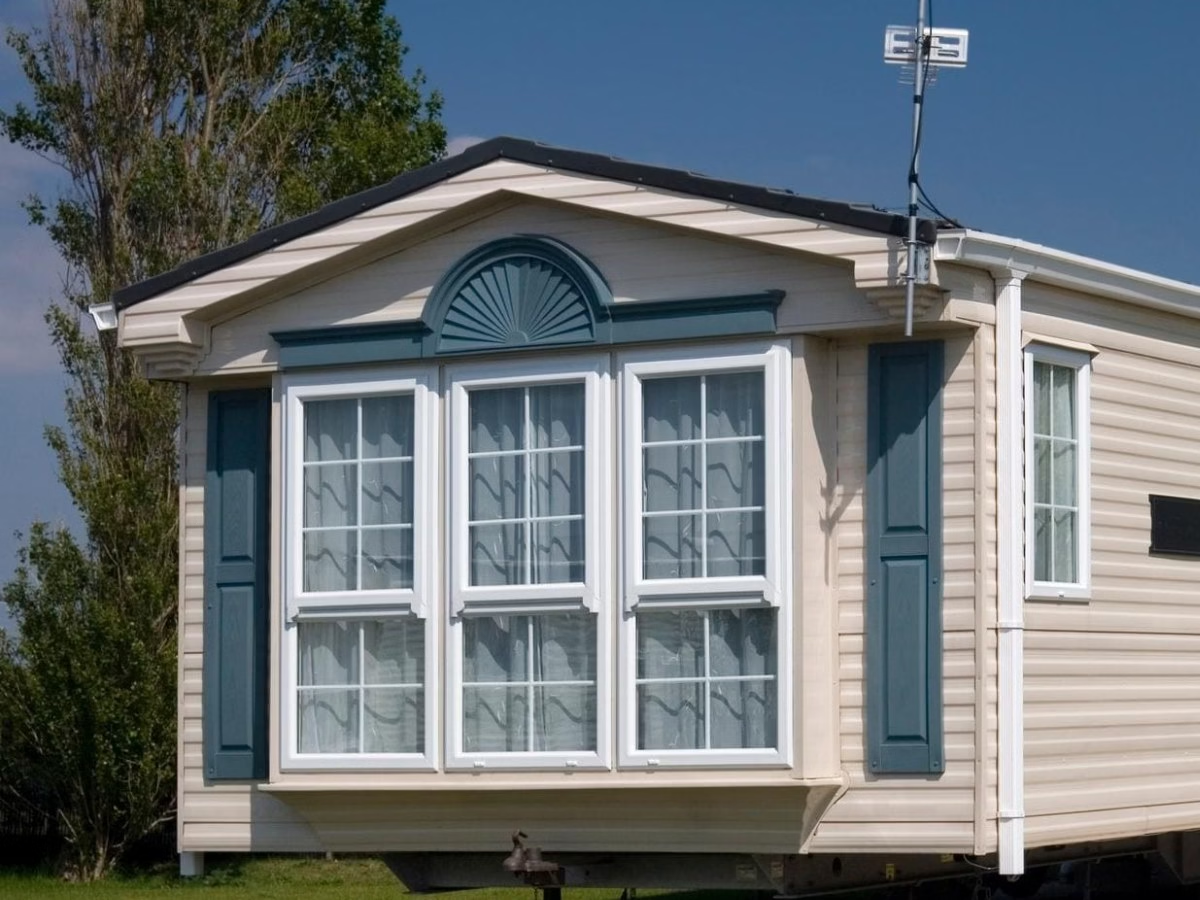
Have you had a mobile home sitting empty for months or even years? Maybe you moved to another state, inherited the property from a family member, or stopped using the home because it needed too many repairs. Whatever the reason, an unused mobile home can quickly become another responsibility on your to-do list.
You may be wondering whether anyone would buy it in its current condition. What if the roof leaks, the floors are damaged, or the home has not been maintained for years? Is it worth spending money on repairs, or would selling it as-is make more sense?
The good news is that you may be able to sell a vacant mobile home even if it is old, damaged, or in need of significant work. Your options will depend on the home’s condition, title status, location, and any outstanding expenses.
In this guide, we’ll explain how to sell a vacant mobile home, what problems to look for, which documents to check, and how to compare your selling options.
Can You Sell a Mobile Home That Has Been Vacant for Years?
Yes, a vacant mobile home may still be sellable, even if it has been sitting unused for a long time. A home does not necessarily have to be move-in ready to attract interest from a potential buyer.
However, the length of time the property has been vacant can affect its condition and marketability. A home that has been empty for five years may have different issues from one that was vacant for only a few months.
Before deciding what to do, consider why the home has been sitting unused. Was it left behind after a move? Did you inherit it? Has it been difficult to maintain, or has it become too expensive to keep?
Understanding your situation can help you decide whether to repair the home, relocate it, or sell it in its current condition.
You should also check whether the home is located on land you own or in a manufactured home community where you pay a lot of rent. If you rent the lot, park rules and any outstanding balances may affect your options.
If your goal is to sell an unwanted mobile home without taking on another major project, exploring as-is buyers may be a practical first step.
What Problems Can Affect a Vacant Mobile Home?
When a mobile home sits empty for years, small maintenance problems can become larger issues. Weather exposure, moisture, pests, and a lack of regular inspections may all affect the property’s condition.
Understanding these problems can help you describe the home accurately and evaluate potential offers.
1. Roof leaks and water damage
A damaged roof can allow water to enter the home, potentially leading to stained ceilings, soft flooring, damaged walls, and mold growth.
If you notice signs of water damage, avoid assuming that the problem is limited to the visible area. Consider having serious concerns evaluated by a qualified professional.
2. Plumbing and electrical issues
Pipes may deteriorate, freeze, or develop leaks, depending on the climate and whether the home was properly winterized. Electrical components may also need inspection, especially if the property has been exposed to moisture or has not been maintained.
You do not necessarily need to repair every issue before exploring a sale, but you should disclose known problems as required by applicable law.
3. Pest damage and unwanted animals
Vacant homes can attract rodents, insects, and other unwanted visitors. Pests may damage insulation, wiring, cabinets, and other parts of the property.
Check for visible signs of infestation before arranging inspections or showings. If the home has a significant pest problem, consider whether professional treatment is necessary for safety or access.
4. Deteriorating floors, walls, and fixtures
Humidity, leaks, age, and general wear can damage flooring, wall panels, cabinets, and fixtures. The home may also contain outdated appliances or furnishings that you no longer need.
These issues may affect what a buyer is willing to pay, but they do not automatically mean the home has no value.
5. Exterior and structural concerns
Long-term exposure to the elements can damage siding, windows, steps, skirting, and other exterior components. More serious structural problems may affect whether the home can be occupied or transported.
If you are considering relocation, ask a qualified mobile home mover to assess whether moving the structure is feasible.
Do You Need to Repair It Before Selling?
Not always. Whether you should repair a vacant mobile home before selling depends on the work required, your budget, and the likely benefit of making improvements.
For example, replacing a few damaged fixtures may be relatively manageable. Repairing a leaking roof, replacing flooring throughout the home, and addressing major plumbing problems could cost much more.
Before investing in repairs, ask yourself three questions:
- How much will the necessary work cost?
- Could the repairs meaningfully improve the offers you receive?
- Do you have the time and money to manage the project?
If the home needs extensive work, you may want to explore selling it as-is. This means offering the property in its current condition, with the terms and required disclosures clearly established.
Some buyers consider older mobile homes and homes that need repairs. Others may only purchase properties in better condition, so it is worth asking about their criteria before spending money.
MobileHomeFastCash.com provides information about its mobile home buying process on the We Buy Mobile Homes page.
If you want to sell your manufactured home without repairs, explain the home’s age, condition, location, and any known problems when discussing your options. This can help establish whether the property may be a fit for a buyer.
Remember, selling as-is does not mean you can ignore legal disclosure requirements, title problems, or outstanding liens. The sale agreement should clearly explain the condition of the home and each party’s responsibilities.
What Documents Should You Check?
Paperwork is an important part of selling a vacant mobile home. Even if the home is in poor condition, you will generally need to establish ownership and meet the applicable transfer requirements.
Start by gathering the following documents, where applicable:
- Mobile home title: Helps establish the recorded owner of the home.
- Identification: May be required to verify the seller’s identity.
- Loan and lien information: Important if money is still owed or a lien appears on the title.
- Registration records: May help confirm the home’s identifying information and status.
- Park or lot rental agreement: Relevant if the home is located in a community where you rent the land.
- Maintenance records: May help explain repairs or known issues.
- Estate documents: May be required if you inherited the home.
- Sale and transfer forms: Required documents vary by state and ownership situation.
What if you cannot find the title?
A missing title does not always mean you cannot sell the home, but it can complicate the process. Contact the agency responsible for mobile home titles in your state to ask about replacement procedures.
If the home belonged to someone who has passed away, you may need to establish your legal authority to sell it before proceeding.
It is also important to confirm whether the home is classified as personal property or real property. That distinction can affect the documents and process required for a sale.
Addressing paperwork issues early may help prevent delays later.
How Can You Compare Your Selling Options?
If you want to sell a vacant mobile home, you generally have several approaches to consider. Each has different costs, responsibilities, and potential benefits.
Option 1: Repair the home and sell it
This may be worth considering if the home is in reasonably good condition and the repairs are affordable. Improvements could make the property more appealing to certain buyers.
However, avoid assuming that every repair will increase the final sale price enough to justify its cost.
Option 2: Sell the mobile home as-is
Selling as-is may be appealing if the home needs extensive repairs or you do not want to manage a renovation.
You can contact individual buyers or companies that consider homes in different conditions. Ask whether they are interested in the property as it currently stands and what documents they require.
Option 3: Explore a cash offer
A cash offer for a used mobile home may provide another option if you prefer to discuss a direct sale rather than complete repairs first.
Compare the offer carefully. Ask about fees, title transfer, closing requirements, and whether the buyer expects you to remove belongings or arrange transportation.
Do not assume that every cash buyer purchases homes in every condition or location. Confirm that the buyer can accommodate your particular property.
Option 4: Consider relocation
If you own the land or can place the home at another suitable location, relocation may be possible. However, transportation, permits, site preparation, and setup can add significant costs.
Ask a qualified mover for an estimate before deciding whether moving the home makes financial sense.
How to Sell an Unwanted Mobile Home Without Unnecessary Stress
Once you decide to explore a sale, a few simple steps can make the process easier.
Step 1: Assess the home’s condition. Make a list of visible problems and gather any available maintenance records.
Step 2: Confirm ownership. Locate the title and check whether there are outstanding loans, liens, or other issues that could affect the sale.
Step 3: Decide what you can reasonably spend. Establish whether repairs are within your budget or whether an as-is sale better fits your needs.
Step 4: Compare potential buyers. Ask about offers, fees, paperwork, and any requirements for the home’s location or condition.
Step 5: Review the agreement. Before signing, make sure you understand the price, closing process, transfer requirements, and responsibility for any removal or cleanup.
If you are ready to explore your options, visit our Sell Your Mobile Home page to learn more about the process.
You do not have to restore a vacant mobile home to perfect condition before finding out what options may be available. The important thing is to understand the home’s condition, confirm your paperwork, and compare realistic offers.
Ready to Move On From Your Vacant Mobile Home?
An empty mobile home can become a source of ongoing expenses and worry, especially when it has been sitting unused for years. You may still be paying lot rent, maintaining the property, or dealing with damage that becomes more difficult to manage over time.
Fortunately, selling may be possible even if the home is old or needs repairs.
Start by checking the title, assessing the property’s condition, and deciding whether repairs or relocation make financial sense. Then explore buyers who may consider the home as-is and compare the terms carefully.
At MobileHomeFastCash.com, you can explore your mobile home selling options and discuss your circumstances. Explain that the home has been vacant for years so you can determine whether the property’s condition and location fit the available buying options.
Taking the first step can help you understand your choices and decide how to move forward.
FAQs
1. Can I sell a mobile home that has been vacant for years?
Yes, it may be possible. The home’s condition, title status, location, and any outstanding obligations will affect your options. Some buyers consider older homes or properties that need repairs.
2. Can I sell an old mobile home without making repairs?
Potentially. Some buyers consider homes in their current condition, but requirements vary. Ask whether the buyer accepts homes that need repairs and confirm any conditions, fees, or removal responsibilities before agreeing to a sale.
3. Does a vacant mobile home still have value?
It may. Value depends on factors such as age, condition, location, title status, and whether the home can legally remain in place or be moved. A buyer’s offer may also reflect the cost of repairs or other work needed.
4. What if my vacant mobile home has water damage or mold?
Describe known issues accurately and consider getting professional advice about serious damage or potential health risks. Some buyers may consider damaged homes, but the condition can affect the offer and whether the home is suitable for occupancy or relocation.
5. Can I sell a mobile home if I cannot find the title?
Possibly, but you may need to obtain a replacement title or complete additional ownership steps. Contact the relevant state agency to learn which documents are required.
6. Can I sell a mobile home that I inherited but never used?
You may be able to, provided you have the legal authority to sell it and meet the applicable title transfer requirements. If the previous owner has passed away, estate or probate paperwork may be necessary.
7. What happens if I still owe a lot of rent on a vacant mobile home?
Unpaid lot rent may affect the sale or the amount you receive. Contact park management to confirm the balance and ask a potential buyer how outstanding obligations would be handled. Local rules may also affect your rights and responsibilities.
8. How do I get a cash offer for a vacant mobile home?
Gather the home’s basic details, location, condition, and ownership information. Then contact potential buyers and ask whether they consider vacant homes that need repairs. Compare the terms and confirm the closing requirements before accepting an offer.